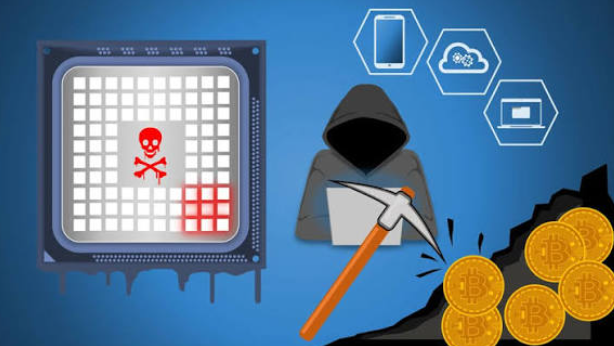
Crypto malware refers to software designed to covertly compromise systems to steal, encrypt, or exfiltrate data for illicit gain. It often targets wallets, networks, and endpoints, leveraging vulnerabilities and modular playbooks to achieve persistence, lateral movement, and execution. The class includes ransomware, cryptojacking, and data theft tools, evolving with cross-platform capabilities. Understanding its mechanisms and incentives clarifies the threat landscape and highlights preventive controls, yet it raises questions about resilience strategies that warrant further examination.
What Is Crypto Malware and Why It Matters
Crypto malware refers to malicious software designed to infiltrate, encrypt, or exfiltrate a victim’s data while demanding payment or leveraging compromised systems for illicit gain.
The phenomenon centers on crypto ransomware and wallet theft, illustrating threats to digital autonomy and economic sovereignty. System vulnerabilities, attacker incentives, and defense gaps converge, underscoring why robust controls, transparent reporting, and proactive resilience matter to preserve freedom in cyber space.
See also: turfofaso
How Crypto Malware Works Across Devices
Across devices, crypto malware exploits platform-specific attack surfaces to deliver capabilities such as encryption, data exfiltration, and wallet theft. It demonstrates modular workflows: initial footholds, privilege escalation, lateral movement, and persistence.
Crypto ransomware and cryptojacking prevalence reveal diversified payloads, while cross-platform abstractions unify command and control.
Defenses hinge on hardening, monitoring, and rapid incident response to constrain attacker reconnaissance and impact.
Common Types You Should Recognize
Among crypto malware families, the most common types include ransomware, cryptojacking, information-stealing trojans, and backdoor modules, each defined by its primary objective and typical attack lifecycle. This section analyzes distinctions, noting data breach risks from unauthorized access, credential theft, and exfiltration. Cryptojacking operations optimize resource use, often evading detection, while information-stealers prioritize data harvest, enabling broader exploitation and persistence.
Practical Defenses for Individuals and Teams
Organizations and individuals must move from understanding malware types to implementing concrete, repeatable defenses. Practical defenses for individuals and teams emphasize disciplined crypto hygiene, layered authentication, and minimized attack surfaces. Threat hunting becomes proactive monitoring, not rumor. Procedures should be documented, rehearsed, and auditable, enabling rapid response, safe experimentation, and freedom to operate while preserving data integrity and resilience against evolving crypto threats.
Frequently Asked Questions
Could Crypto Malware Target Non-Crypto Users or Devices?
Crypto malware can target non-crypto users or devices, exploiting crypto exposure to gain access and monetize through ransom or theft, thus altering device risk profiles. The analysis emphasizes systemic vulnerabilities, user behaviors, and defensive controls in reducing exposure.
Are There Legal Ways to Study Crypto Mining Malware Safely?
Approximately 70% of incidents involve some form of unauthorized crypto mining, highlighting risk; legally, study can be conducted through controlled environments using ethical hacking and incident response frameworks, with institutional approvals, proper isolation, and defined scope.
How Does Wallet Security Differ From Device Security Overall?
Wallet security centers on wallet authentication and key protection, while device security emphasizes device isolation and malware persistence controls; together they address cryptomining ethics and safeguarding assets, resources, and privacy across platforms, channeling freedom through disciplined, layered defenses.
Can Crypto Malware Be Detected on Offline or Air-Gapped Systems?
Crypto malware detection on offline or air-gapped systems is challenging but possible via meticulous anomaly monitoring, integrity checks, and external audits, balancing crypto privacy, policy ethics, and governance to mitigate covert exfiltration risks and preserve autonomy.
What Are Signs of Crypto-Mining Performance Degradation Caused by Malware?
Crypto-mining performance degradation signs include elevated CPU/GPU usage, unusual throttling, increased power consumption, unexpected fan noise, and reduced battery life. Indicators point to crypto resource competition and mining persistence, even with standard security measures in place.
Conclusion
Crypto malware poses a persistent threat to individuals and organizations, leveraging encryption, exfiltration, and cryptojacking to monetize access. Its modular, cross-platform nature enables footholds, persistence, and lateral movement, exploiting gaps in defenses. As attackers parallel emerging technologies with evolving incentives, resilience hinges on layered controls, proactive monitoring, and rapid response. In the quiet glow of screens, one recalls myths of hidden wealth—yet the true profit lies in preparedness, vigilance, and disciplined cybersecurity stewardship that outpaces the attacker’s craft.
